Jai Jinendra · Jain Dharma, one gateway
The Jain Religion — panchang, temples, prayers & a living sangh
Tithi and Navkarsi times for your city, 1,405+ temples and dharamshalas, the 24 Tirthankaras, stotras and Vidhan PDFs — and a community that answers.
Popular: Navkarsi time todayBhaktamar StotraParyushanJain templesJain calendar 2026
Aaj ka Panchang
Today's Jain Panchang — Sunday, 25 October 2026
Tithi, sunrise and pachkhan times for 80+ cities
Sunrise6:35 am
Navkarsi7:24 am
Porsi9:36 am
Sadh Porsi11:06 am
Purimaddha12:36 pm
Chauvihar6:09 pm
Times shown for Mumbai. Pachkhan times follow local sunrise and sunset — pick your city:
Coming up
- नूतनवर्षारंभ, चंद्रदर्शन, वीर सं. २५५३, श्री गौतमस्वामी केवलज्ञान
- श्री महावीरस्वामी भगवान दीक्षा कल्याणक
- श्री पार्श्वनाथ भगवान जन्म कल्याणक
- श्री पार्श्वनाथ भगवान दीक्षा कल्याणक
Explore
Everything Jain, in one place
Temples & Dharamshalas
1,405+ Jain temples & dharamshalas
Timings, phone numbers, directions and stay details across 20 states — corrected and confirmed by visitors.
Most visited this month
- Motisha Dharamshala (Sheth Motisha Adeshwarji Trust), BycullaMumbai, Maharashtra 4.5
- Bheru Bagh Parshvnath Jain Shvetamber Teerth, JodhpurSardarpura, Rajasthan 4.4
- Jain Dharamshala (Jain Bhawan), JaisalmerSadar Bazar, Rajasthan 4.1
- Moti Dungri Jain Dadabadi, JaipurAdarsh Nagar, Rajasthan 4.6
- Jain Yatrik Bhavan, Gopipura, SuratGopipura, Gujarat 4.0
Jain Community · Q&A
Ask the sangh — get real answers
Questions on dharma, tirth yatra, Jain food, rituals and family life. No account needed to ask.
- 1008 पार्श्वनाथ दिगम्बर जैन मन्दिरजी गोरेगॉव में मुम्ब्रा ट्रस्ट कमिटी द्वारा बाहुबली भगवान का महामस्तकाभिषेक का बेनर का विमोचन Answer
- Navkar mantra lekhan donation Answer
- Understanding Karma and Its Influence on Our Everyday Choices Answer
- दीपावली 2026 शुभ मुहूर्त: वही पूजन, लक्ष्मी पूजन, महावीर निर्वाण पूजन — गणिनी आर्यिका श्री ज्ञानमती माताजी Answer
- मुंबई में भव्यता के साथ संपन्न हुआ विश्व मैत्री महोत्सव 2026 — संत समागम, विश्व शांति एवं अहिंसा का भव्य राष्ट्रीय आयोजन Answer
Topics
Chovisi
The 24 Tirthankaras
-
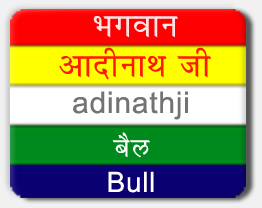 1. Rishabhanatha
Bull
1. Rishabhanatha
Bull
-
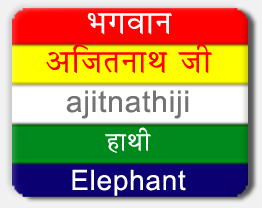 2. Ajitanatha
Elephant
2. Ajitanatha
Elephant
-
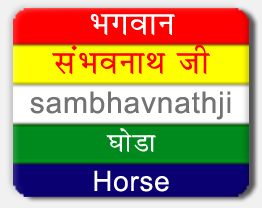 3. Sambhavanatha
Horse
3. Sambhavanatha
Horse
-
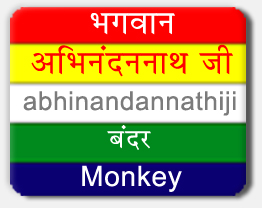 4. Abhinandananatha
Monkey
4. Abhinandananatha
Monkey
-
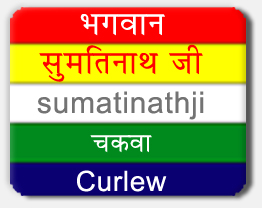 5. Sumatinatha
Curlew (Krauncha)
5. Sumatinatha
Curlew (Krauncha)
-
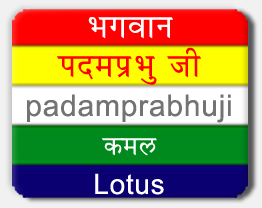 6. Padmaprabha
Red Lotus
6. Padmaprabha
Red Lotus
-
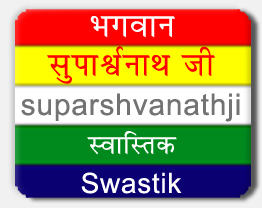 7. Suparshvanatha
Swastika
7. Suparshvanatha
Swastika
-
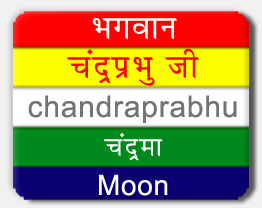 8. Chandraprabha
Crescent Moon
8. Chandraprabha
Crescent Moon
-
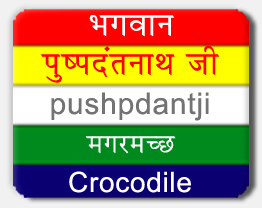 9. Pushpadanta
Crocodile (Makara)
9. Pushpadanta
Crocodile (Makara)
-
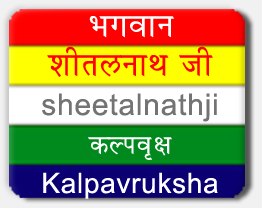 10. Shitalanatha
Shrivatsa
10. Shitalanatha
Shrivatsa
-
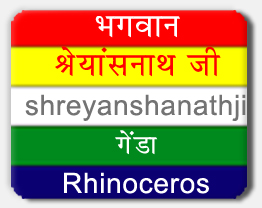 11. Shreyanshanatha
Rhinoceros
11. Shreyanshanatha
Rhinoceros
-
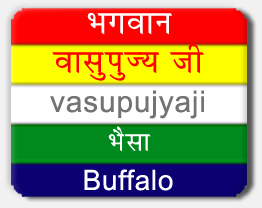 12. Vasupujya
Buffalo
12. Vasupujya
Buffalo
-
 13. Vimalanatha
Boar
13. Vimalanatha
Boar
-
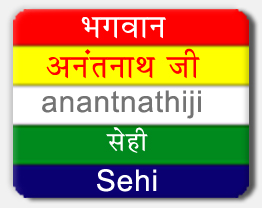 14. Anantanatha
Porcupine / Falcon
14. Anantanatha
Porcupine / Falcon
-
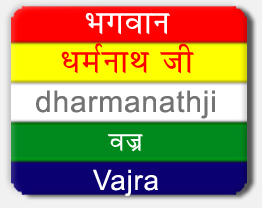 15. Dharmanatha
Vajra
15. Dharmanatha
Vajra
-
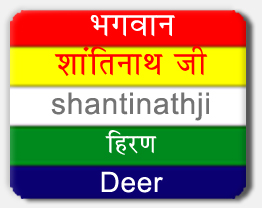 16. Shantinatha
Deer
16. Shantinatha
Deer
-
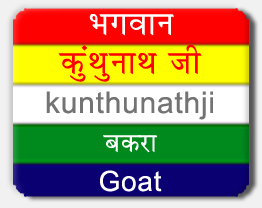 17. Kunthunatha
Goat
17. Kunthunatha
Goat
-
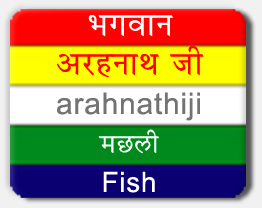 18. Aranatha
Fish / Nandyavarta
18. Aranatha
Fish / Nandyavarta
-
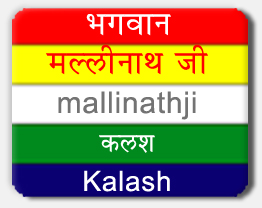 19. Mallinatha
Water Pot (Kalasha)
19. Mallinatha
Water Pot (Kalasha)
-
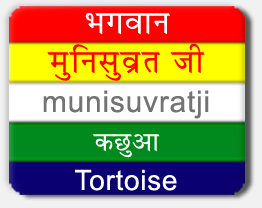 20. Munisuvrata
Tortoise
20. Munisuvrata
Tortoise
-
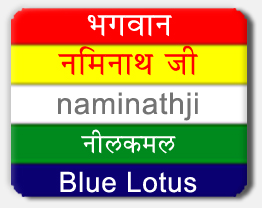 21. Naminatha
Blue Lotus
21. Naminatha
Blue Lotus
-
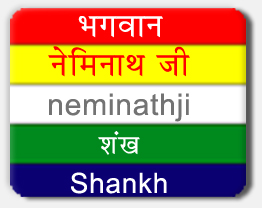 22. Neminatha
Conch (Shankha)
22. Neminatha
Conch (Shankha)
-
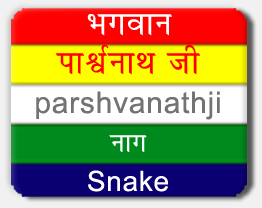 23. Parshvanatha
Serpent
23. Parshvanatha
Serpent
-
 24. Mahavira
Lion
24. Mahavira
Lion
Prayers & Stotra
Daily prayers, with meaning
Read, listen and understand — in Hindi, Prakrit and English.
Festival & Jain-life guides
Vidhan & Granth Sangrah
Free Vidhan, Pujan & Granth PDFs
182 works in 294 editions — read online or download.
Learn & grow
Gyan for every age
Jain Pathshala
Learn Jainism from a teacher near you
For children and adults — online or in person. Scholars can apply to teach.
Prabhavana
Share gyan, support seva
Help keep this knowledge free for every family — contribute or become a patron.
Join the digital sangh
Become a member — free
Get answers by email, list your temple or business in Jain Connect, save prayers and follow discussions.


Quick answers
Jainism — common questions
What is the fundamental principle of the Jain religion?
The fundamental and supreme principle of Jainism is Ahimsa (non-violence): non-injury to all living beings in thought, word and deed. It shapes every part of Jain life, including diet, conduct and occupation.
Who is the founder of modern Jainism, and who was the first Tirthankara?
Rishabhanatha (Adinath) is revered as the first of the 24 Tirthankaras. Bhagwan Mahavira, the 24th and last Tirthankara, revitalised and organised Jain philosophy around 600 BCE.
What are the Three Jewels of Jainism?
The Three Jewels (Triratna) are the path to liberation: Samyak Darshan (right faith), Samyak Gyan (right knowledge) and Samyak Charitra (right conduct).
What is Navkarsi time and how is it calculated?
Navkarsi is the Jain pachkhan of taking food or water only 48 minutes after sunrise. Because it depends on local sunrise, it changes every day and differs by city — in Mumbai today it is 7:24 am, and Chauvihar (no food or water after sunset) begins at 6:09 pm.
Where are the major Jain pilgrimage sites?
Major Jain tirths are in India: Sammed Shikharji (Jharkhand), where 20 Tirthankaras attained moksha; Palitana and Girnar (Gujarat); Dilwara and Ranakpur (Rajasthan); and Shravanabelagola (Karnataka).
Do Jains believe in God as a creator of the universe?
No. Jainism rejects a creator God. The universe is eternal and governed by natural law; the divine is the perfected soul (Siddha or Arihant), whom Jains revere as the ideal to follow.
How can I find a Jain temple or dharamshala near me?
The Jain Religion lists 1,405+ Jain temples, derasars and dharamshalas across India with timings, phone numbers, directions and stay details. Search by city or state, or use "Jain temple near me".