Information about Jainism

Learn about the important concepts and values of Jain Dharma

Tirthankaras / तीर्थंकर

Spiritual Teachers

Tirthankaras are enlightened beings who show the path of liberation. There are 24 Tirthankaras in Jainism.

Jain Symbols / जैन प्रतीक

Sacred Icons

Jain symbols like the Swastika and the Hand (Ahimsa) represent core Jain values.

Jain Scriptures / जैन ग्रंथ

Sacred Texts

Agamas and other scriptures are the spiritual texts that preserve the teachings of the Tirthankaras.

Core Pillars of Jainism

जैन धर्म के मूल स्तंभ

Core Pillars मूल स्तंभ
Ahimsa (अहिंसा)

Non-violence: Refraining from causing harm to any living being.

Satya (सत्य)

Truth: Speaking the truth and avoiding falsehood.

Asteya (अस्तेय)

Non-stealing: Not taking anything that is not willingly given.

Brahmacharya (ब्रह्मचर्य)

Chastity: Abstaining from sensual pleasures.

Aparigraha (अपरिग्रह)

Non-possession: Detaching from material possessions.

Samyak Darshan

Right Faith: Rational faith in the nature of reality.

Samyak Gyaan

Right Knowledge: Correct understanding of the realities.

Samyak Charitra

Right Conduct: Following ethical codes.

The Five Vows (Mahavratas)

The great ethical guidelines for monks, adapted for lay followers

Ahimsa (Non-Violence)
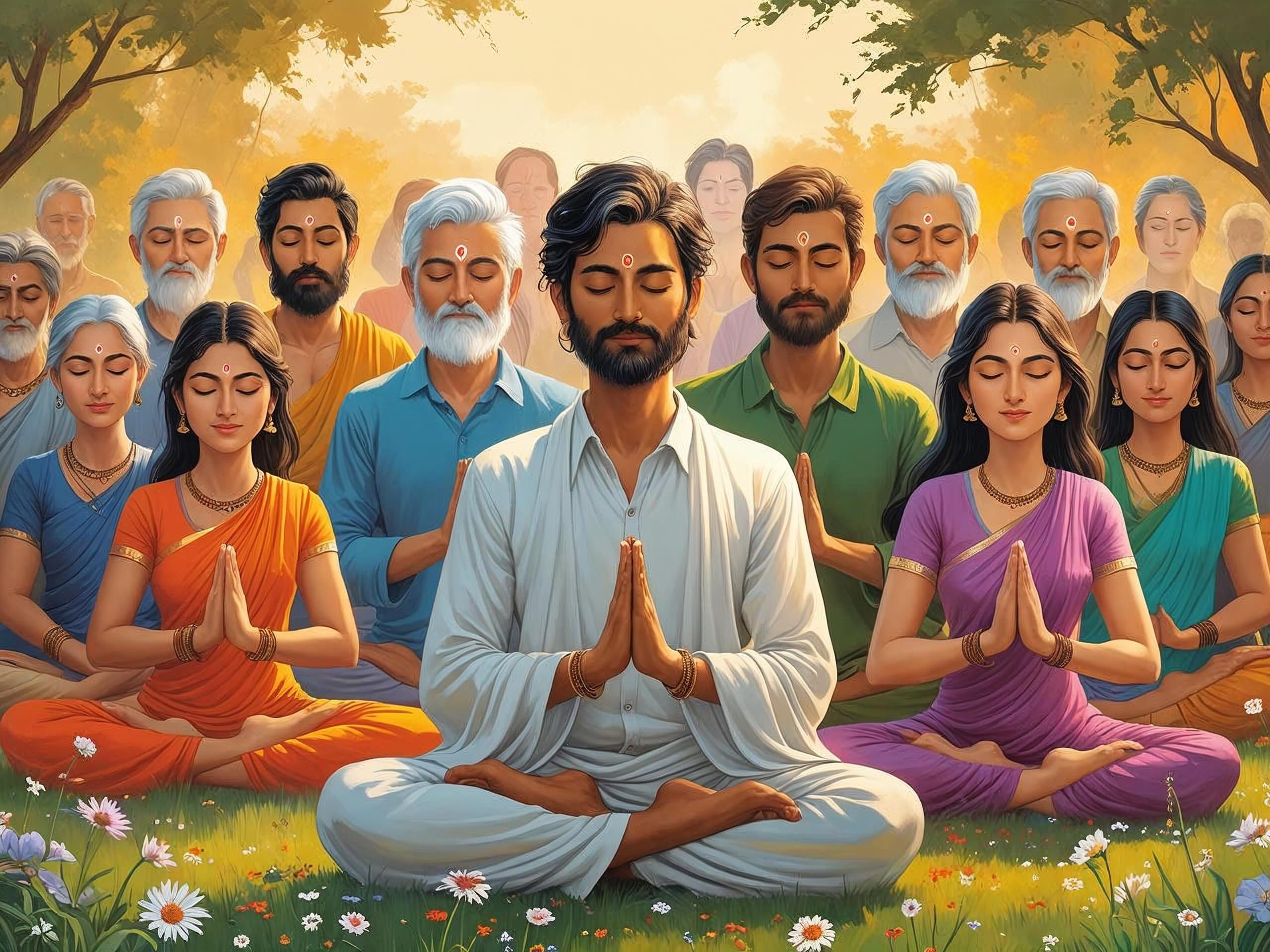
Ahimsa Image

The commitment to avoid causing harm to all living beings through mental, verbal, or physical actions.

Satya (Truthfulness)

Satya Image

The discipline of speaking the truth, provided that the truth itself is beneficial and not harmful.

In-Depth Jainism Questions

**Arihant** is a soul who has attained omniscience and destroyed destructive karmas but still has a body. **Siddha** is a liberated soul without a body, free from all eight karmas.

The two main sects are **Digambara** (sky-clad, monks embody non-possession by nudity) and **Svetambara** (white-clad, monks wear white robes).