Jain Pilgrimage: The Teerths

Sacred sites where Tirthankaras attained Moksha and ancient wisdom resides.

The Path to Liberation: Moksha Sthals

Jain pilgrimage (Tirtha Yatra) is a spiritual journey undertaken for purification and detachment, visiting sites consecrated by Tirthankaras and liberated souls.

Sammed Shikharji Moksha Sthal

Significance of the Sites

These sites are called Moksha Sthals (Places of Liberation) or Kalyanaka Sthals (Places of Auspicious Events). Visiting them reinforces one's faith (Samyak Darshan) and inspires adherence to Right Conduct (Samyak Charitra).

Primary Goal: Karmic Shedding

The arduous nature of climbing the sacred hills and performing penance at these locations aids in Nirjara (shedding of old karma) and fosters true detachment (Aparigraha).

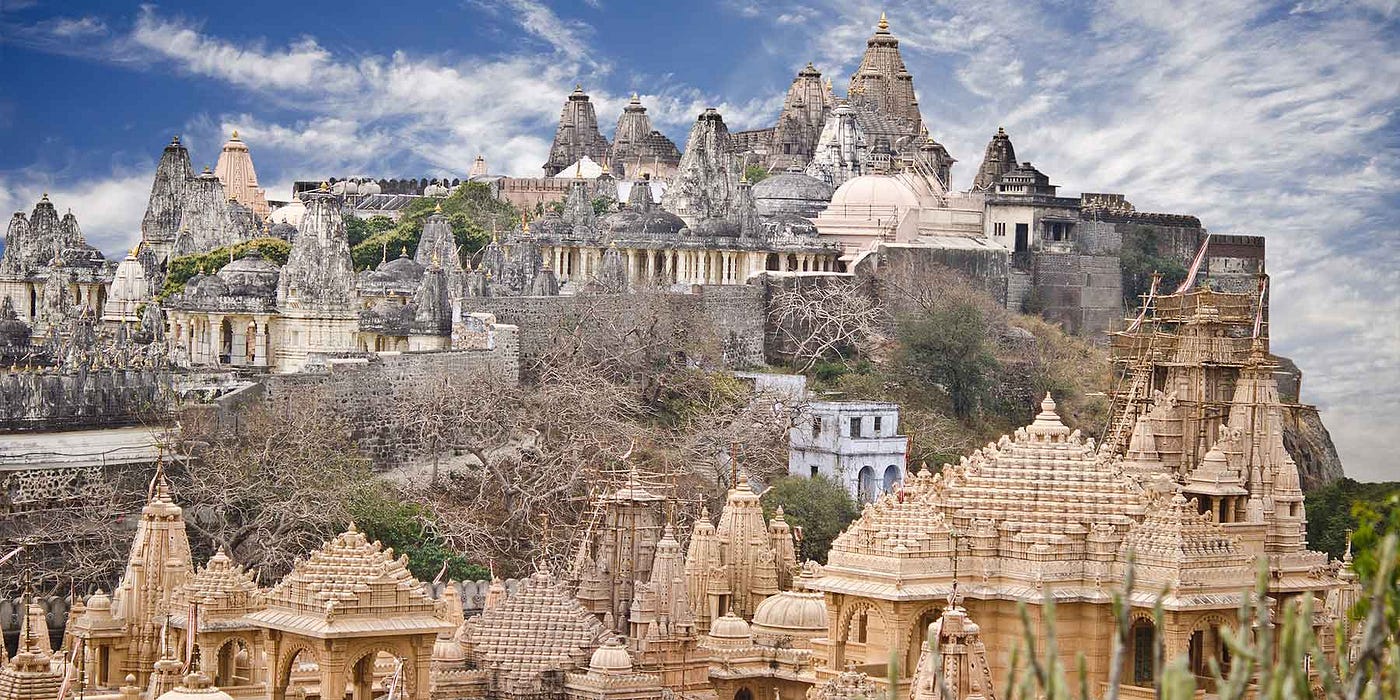
Major Jain Pilgrimage Centers

Explore the key sites linked to the lives and liberation of the Tirthankaras.

Jain Pilgrimage Travel FAQ

Practical and spiritual answers for planning a Tirtha Yatra to India's sacred sites.

Sammed Shikharji (Parasnath Hill, Jharkhand) is universally considered the holiest. This is because 20 of the 24 Tirthankaras—including Parshvanatha and Shantinatha—attained their final liberation (Moksha) here.

Bhagwan Neminatha, the 22nd Tirthankara, attained Moksha at Girnar Mountain. Located near Junagadh, Gujarat, it involves climbing thousands of steps to reach the temples.

The Mahamastakabhisheka is a grand festival held once every 12 years at Shravanabelagola, Karnataka. The 57-foot monolithic statue of Bhagwan Bahubali is anointed with milk, saffron, and sandalwood in a celebration of renunciation.

Palitana is known as the "City of Temples," with over 863 shrines. For centuries, wealthy Jain laypersons and royalty built temples here as a supreme act of merit (Punya). The hill is consecrated to Bhagwan Rishabhanatha (Adinath).