Jain Cosmology · Spiritual Heritage

Introduction to the 24 Tirthankaras

चौबीस तीर्थंकर: एक परिचय

The Tirthankaras ("Ford-Makers") are the supreme spiritual teachers of Jain Dharma. In each cosmic cycle, 24 Tirthankaras are born to guide all souls across the ocean of existence (Samsara) to final liberation (Moksha).

Who is a Tirthankara?

A Tirthankara is not a creator-god, but a soul who has conquered all passions — anger, pride, deceit, and greed — and attained Omniscience (Kevala Jnana).

They re-establish the four-fold order (Sangha) of Monks (Sadhus), Nuns (Aryikas), Laymen (Shravaks), and Laywomen (Shravikas). By following their path, countless souls have attained salvation across countless ages.

"We follow the teachings of 24 special Jinas who are known as Tirthankaras. The goal of life according to Jain Dharma is to attain Kevala — Liberation."

Omniscient (Sarvagna)
Establishes the Sangha
Conqueror of Passions (Jina)
Depiction of all 24 Tirthankaras of Jainism

Artistic depiction of the 24 Tirthankaras
Quick Reference

The 24 Divine Souls — At a Glance

Birthplace, Parents, Symbol & Moksha Sthal for all 24 Tirthankaras

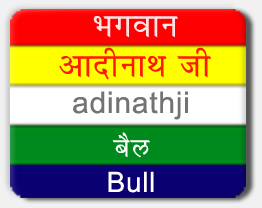
Rishabhanatha (Adinath) — 1th Tirthankara
#01
1. Rishabhanatha (Adinath)
Symbol Bull (Ox)
Parents Nabhiraja & Marudevi
Born at Ayodhya
Moksha Ashtapad (Kailash)
Ajitnath — 2th Tirthankara
#02
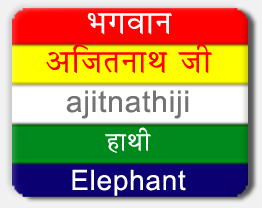
2. Ajitnath
Symbol Elephant
Parents Jitashatru & Vijaya
Born at Ayodhya
Moksha Sammed Shikharji
Sambhavnath — 3th Tirthankara
#03
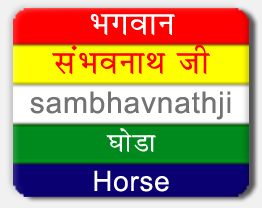
3. Sambhavnath
Symbol Horse
Parents Jitari & Susena
Born at Shravasti
Moksha Sammed Shikharji
Abhinandannath — 4th Tirthankara
#04
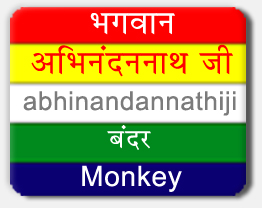
4. Abhinandannath
Symbol Monkey
Parents Samvar & Siddhartha
Born at Ayodhya
Moksha Sammed Shikharji
Sumatinath — 5th Tirthankara
#05
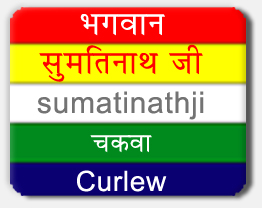
5. Sumatinath
Symbol Red Goose
Parents Meghaprabha & Sumangala
Born at Ayodhya
Moksha Sammed Shikharji
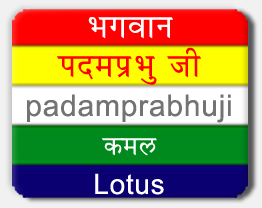
Padmaprabhu — 6th Tirthankara
#06
6. Padmaprabhu
Symbol Lotus
Parents Dharan & Sushima
Born at Kaushambi
Moksha Sammed Shikharji
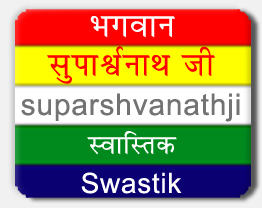
Suparshvanath — 7th Tirthankara
#07
7. Suparshvanath
Symbol Swastika
Parents Pratishthasen & Pruthvi
Born at Varanasi
Moksha Sammed Shikharji
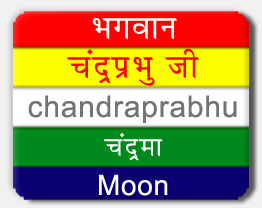
Chandraprabhu — 8th Tirthankara
#08
8. Chandraprabhu
Symbol Crescent Moon
Parents Mahasena & Sulakshana
Born at Chandrapura
Moksha Sammed Shikharji
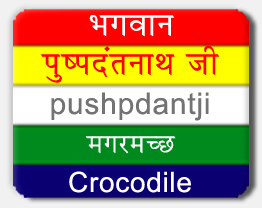
Pushpadanta — 9th Tirthankara
#09
9. Pushpadanta
Symbol Crocodile
Parents Sugriva & Rama
Born at Kakandi
Moksha Sammed Shikharji
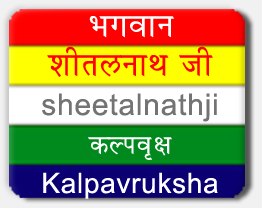
Sheetalnath — 10th Tirthankara
#10
10. Sheetalnath
Symbol Kalpavriksha
Parents Dridharatha & Sunanda
Born at Bhadrapura
Moksha Sammed Shikharji
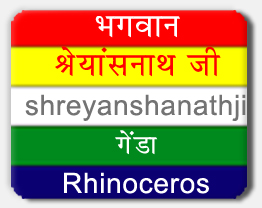
Shreyansnath — 11th Tirthankara
#11
11. Shreyansnath
Symbol Rhinoceros
Parents Vishnu & Venu
Born at Simhapuri
Moksha Sammed Shikharji
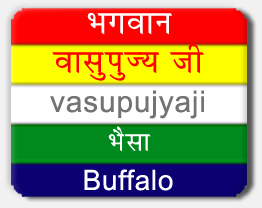
Vasupujya — 12th Tirthankara
#12
12. Vasupujya
Symbol Buffalo
Parents Vasupujya & Vijaya
Born at Champapuri
Moksha Champapuri
Vimalnath — 13th Tirthankara
#13
13. Vimalnath
Symbol Boar (Shukar)
Parents Kritavarma & Suramya
Born at Kampilya
Moksha Sammed Shikharji
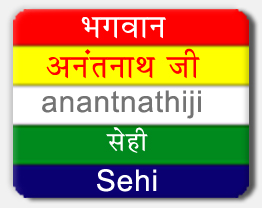
Anantnath — 14th Tirthankara
#14
14. Anantnath
Symbol Porcupine
Parents Simhasena & Suyasah
Born at Ayodhya
Moksha Sammed Shikharji
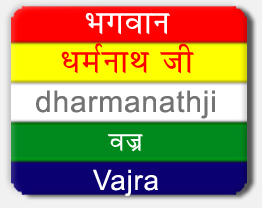
Dharmanath — 15th Tirthankara
#15
15. Dharmanath
Symbol Vajra (Thunderbolt)
Parents Bhanu & Suvrita
Born at Ratnapuri
Moksha Sammed Shikharji
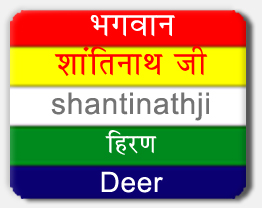
Shantinath — 16th Tirthankara
#16
16. Shantinath
Symbol Deer
Parents Visvasena & Achira
Born at Hastinapur
Moksha Sammed Shikharji
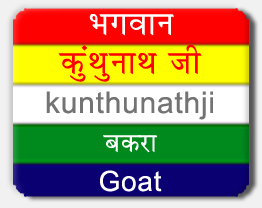
Kunthunath — 17th Tirthankara
#17
17. Kunthunath
Symbol Goat
Parents Suryasen & Srirani
Born at Hastinapur
Moksha Sammed Shikharji
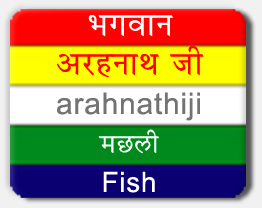
Arahnath — 18th Tirthankara
#18
18. Arahnath
Symbol Fish
Parents Sudarshana & Mitrasena
Born at Hastinapur
Moksha Sammed Shikharji
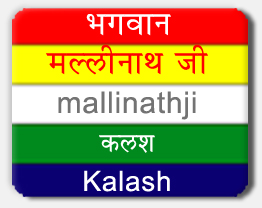
Mallinath — 19th Tirthankara
#19
19. Mallinath
Symbol Kalash (Jar)
Parents Kumbharaja & Prabhavati
Born at Mithila
Moksha Sammed Shikharji
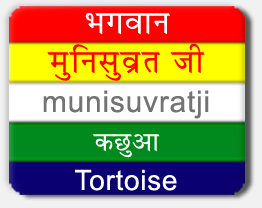
Munisuvrata — 20th Tirthankara
#20
20. Munisuvrata
Symbol Tortoise
Parents Sumitra & Padmavati
Born at Rajgriha
Moksha Sammed Shikharji
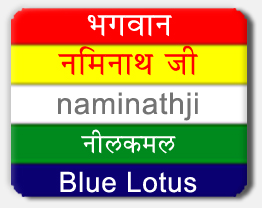
Naminath — 21th Tirthankara
#21
21. Naminath
Symbol Blue Lotus
Parents Vijaya & Vipra
Born at Mithila
Moksha Sammed Shikharji
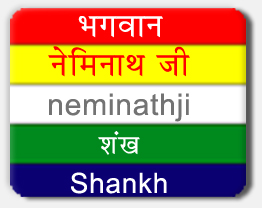
Neminath — 22th Tirthankara
#22
22. Neminath
Symbol Conch (Shankh)
Parents Samudravijaya & Shiva
Born at Sauripura
Moksha Mount Girnar
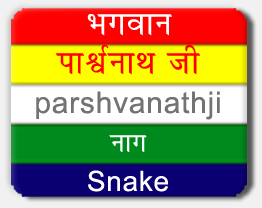
Parshvanath — 23th Tirthankara
#23
23. Parshvanath
Symbol Snake
Parents Ashvasena & Vama
Born at Varanasi
Moksha Sammed Shikharji
Mahavira — 24th Tirthankara
#24
24. Mahavira
Symbol Lion
Parents Siddhartha & Trishala
Born at Kundalpur
Moksha Pavapuri
Interactive

Visual Timeline of All 24 Tirthankaras

Click any card to view full details including parents, birthplace & Moksha Sthal

24 Tirthankaras
20 Attained Moksha at Sammed Shikharji
Click any card for details
No Tirthankaras match your search. Try a different name or symbol.

Frequently Asked Questions

Common questions about the 24 Tirthankaras and Jain cosmology.

Tirthankara literally means 'Ford-Maker' (Tirtha-Karana). A Tirtha is a holy crossing over the ocean of endless rebirths (Samsara). Tirthankaras rediscover and re-establish the four-fold religious order (monks, nuns, laymen, laywomen), showing all souls the path to liberation.

Lord Rishabhanatha (Adinath) was the first Tirthankara of the current cosmic cycle. He is revered as the founder of civilization — credited with teaching humanity agriculture, writing, and the arts, alongside the spiritual path to liberation. He attained Moksha at Ashtapada (Mount Kailash).

The last two Tirthankaras have strong archaeological and textual support:
  • 24th — Mahavira (c. 599–527 BCE)
  • 23rd — Parshvanatha (c. 872–772 BCE)
Parshvanatha is often considered the first with solid pre-Mahavira historical evidence.

Sammed Shikharji (Parasnath Hill) in Jharkhand is the most sacred Jain pilgrimage site because 20 of the 24 Tirthankaras attained final liberation here. The remaining four attained Moksha at Ashtapad (Adinath), Champapuri (Vasupujya), Girnar (Neminatha), and Pavapuri (Mahavira).
Since Tirthankara idols are depicted in identical meditating postures symbolizing their equality and detachment, unique Lanchhana symbols — like the Bull, Lion, Snake, or Lotus — are carved at the base of statues so devotees can instantly identify which Tirthankara is being venerated.

  • Shvetambara tradition regards Mallinatha as a female Tirthankara, emphasizing gender equality in the pursuit of liberation.
  • Digambara tradition maintains Mallinatha was male, based on the belief that women must be reborn as men to attain Moksha.

  1. Garbha Kalyanaka — Soul descends into the mother's womb.
  2. Janma Kalyanaka — Birth of the Tirthankara (e.g., Mahavir Jayanti).
  3. Diksha Kalyanaka — Renunciation of worldly life.
  4. Kevala Gyan Kalyanaka — Attainment of Omniscience.
  5. Moksha Kalyanaka — Final liberation (Nirvana).

A Tirthankara not only attains liberation but also has the unique destiny to preach the path to others and re-establish the four-fold religious order in the world. An ordinary Siddha achieves the same ultimate state of liberation but does so silently, without becoming a public spiritual teacher.

The Mother experiences 16 auspicious dreams (Solah Svapna) when the Tirthankara soul descends into her womb — including a white elephant, a lion, Lakshmi, and the full moon. These dreams foretell the extraordinary spiritual destiny of the child and are celebrated as the Garbha Kalyanaka.

Jain cosmology is based on the endless Kala Chakra (Wheel of Time), divided into ascending (Utsarpini) and descending (Avasarpini) half-cycles. Exactly 24 Tirthankaras appear only during the descending half, symbolizing that the truths they preach are timeless and eternal — renewed in every cosmic cycle.