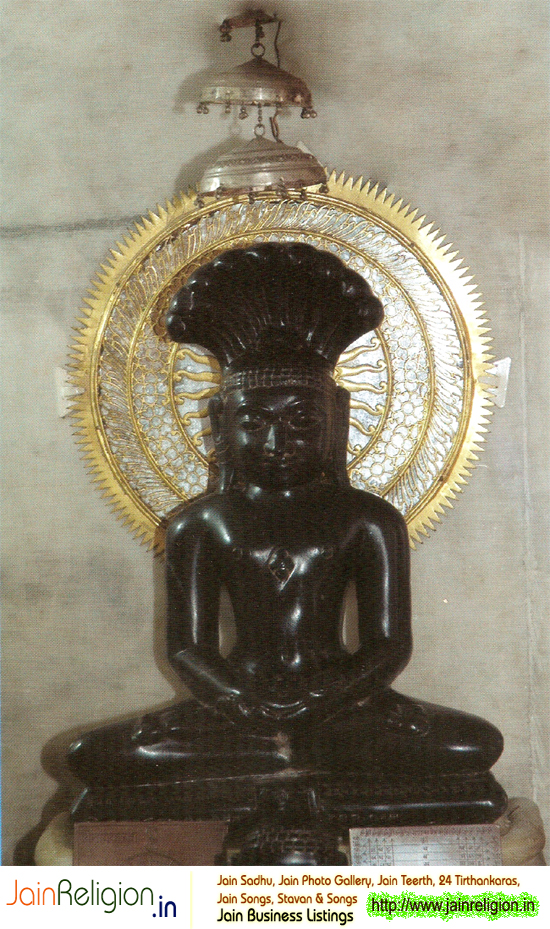
(Featured Image: Shree Sankat Mochan Bhagwan Parshwanath Digambar Jain Atishay Kshetra Aahu, Dhar, Madhya Pradesh)
Introduction to Shree Sankat Mochan Bhagwan Parshwanath Digambar Jain Atishay Kshetra
India is a land of profound spiritual heritage, dotted with countless temples and pilgrimage sites that echo the daily prayers of millions. Among these sacred destinations is the highly revered Shree Sankat Mochan Bhagwan Parshwanath Digambar Jain Atishay Kshetra. Located in the serene village of Aahu in the Dhar district of Madhya Pradesh, this sacred site stands as a powerful beacon of faith, hope, and divine intervention for the followers of Jainism. Classified as an "Atishay Kshetra"—a place of profound miracles—this temple holds immense spiritual gravity. It invites pilgrims from all corners of the country who seek to immerse themselves in the tranquil atmosphere and offer their pure devotion to Lord Parshwanath, the twenty-third Tirthankara of Jainism. The environment around the temple is profoundly peaceful, providing a perfect setting for introspection, deep meditation, and spiritual rejuvenation far away from the chaotic hustle and bustle of modern city life.
Geographical Significance and Accessibility
The geographical placement of this temple makes it both a serene, isolated retreat and a highly accessible destination for modern travelers and devout pilgrims alike. The Shree Sankat Mochan Bhagwan Parshwanath Digambar Jain Atishay Kshetra is conveniently located near National Highway number 59, prominently known as the Indore-Ahmedabad Road. This strategic location ensures that devotees traveling from major cities in Madhya Pradesh and neighboring Gujarat can reach the spiritual sanctuary with ultimate ease. Whether one is driving down from Indore or crossing state borders from Ahmedabad, the well-connected highway makes the physical journey incredibly smooth and comfortable.
Furthermore, the temple is situated just 12 kilometers away from the ancient historic place of Dhar. This close proximity to a major district headquarters not only facilitates better transport, local commuting, and accommodation options for visiting devotees, but it also places the temple within a region that is deeply steeped in India's rich cultural and historical tapestry. Visitors can easily plan a comprehensive itinerary that seamlessly combines religious pilgrimage with profound historical exploration.
The Legacy of Dhar and King Bhoj
To fully appreciate the cultural context of the Atishay Kshetra, one must recognize the deep historical significance of the nearby city of Dhar. Historically, Dhar is celebrated as an ancient and incredibly significant city, intrinsically linked to the illustrious reign of King Bhoj. King Bhoj was a legendary philosopher-king of the Paramara dynasty, renowned globally for his extensive patronage of the arts, literature, education, and monumental temple architecture during his rule in the Malwa region. The region thrived as a massive center of learning and cultural synthesis under his visionary leadership.
Being just 12 kilometers away from this historically rich epicenter, the temple at Aahu naturally absorbs the profound historical aura of the region. The Malwa plateau has long been a fertile ground for the flourishing of various spiritual paths, prominently including Jainism. The preservation of ancient Jain sites around Dhar highlights the centuries-old presence, cultural integration, and widespread influence of the Jain community in Central India. Visitors to the temple often find themselves captivated not just by the religious sanctity of the site, but also by the heavy historical weight of the surrounding landscape, making the pilgrimage a deeply enriching educational and spiritual experience.
The 500-Year-Old Miraculous Statue
The true spiritual heart and the primary focal point of the Shree Sankat Mochan Bhagwan Parshwanath Digambar Jain Atishay Kshetra is its magnificent and awe-inspiring idol. The temple proudly houses the deeply venerated, 500-year-old statue of Sankat Mochan Aahu Parshwanath Bhagwan. This is not merely an antique artifact; it is the beating heart of the local Jain community's faith.
Age in Indian spiritual traditions often correlates with accumulated divine energy, known as "urja." A statue that has been worshipped continuously for half a millennium has witnessed generations of devotees pouring their unwavering faith, tears, and hopes before it. The 500-year-old idol of Lord Parshwanath is a living symbol of spiritual resilience. The meticulous craftsmanship of the idol reflects the traditional iconographic guidelines of ancient Digambar Jain art, characterized by an aura of deep meditative calm (vitaragata). The serene, completely detached expression on the face of Lord Parshwanath acts as a mirror to the inner peace that Jainism actively advocates, helping devotees disconnect from the chaotic material world and connect with their true inner self.
Understanding "Sankat Mochan" in Jain Philosophy
The prefix "Sankat Mochan" attached to Lord Parshwanath's name in this specific Kshetra is of immense significance and speaks volumes about the local devotion. In standard terminology, "Sankat Mochan" translates to the "remover of crises" or the "reliever of troubles." While pure Jain philosophy fundamentally teaches that every soul must independently bear the fruits of its own karmas (actions) and that spiritual liberation is a deeply personal journey, there is a deep-seated devotional belief at the grassroots level. This belief dictates that the pure, radiant aura of a Tirthankara can help clear the mind, providing the inner strength and mental clarity needed to overcome life's seemingly insurmountable obstacles.
Lord Parshwanath is universally associated with the dispelling of fears and the granting of divine protection, symbolically represented by the serpent hood that traditionally canopies his head. Devotees flock to the Aahu Atishay Kshetra with the firm conviction that praying before the Sankat Mochan Aahu Parshwanath Bhagwan will alleviate their physical ailments, resolve complex financial hardships, and bring much-needed peace to their troubled households. The numerous undocumented tales of miracles, known as "atishay," experienced by the faithful further cement the temple's enduring reputation as a powerful center of divine grace and intervention.
The Spirit of Digambar Jain Tradition
As a strictly Digambar Jain Atishay Kshetra, the temple meticulously adheres to the ascetic and austere traditions of the Digambar sect. The daily rituals, the strict maintenance of physical and spiritual purity (shuddhi), and the overall temple administration are managed with the utmost devotion and unwavering discipline by the temple trust. The environment is consciously maintained to be highly conducive for deep spiritual practices such as extended meditation (dhyana), rigorous studying of scriptures (swadhyaya), and the continuous chanting of sacred mantras.
The temple complex is not designed just as a place for quick, transient visits; it serves as a holistic center for comprehensive spiritual upliftment. Pilgrims are highly encouraged to spend time in reflection, absorbing the pure vibrations of the Kshetra. The beautiful fusion of the ancient 500-year-old heritage, the fascinating historical backdrop of King Bhoj's Dhar, and the pure, unwavering faith of the modern-day pilgrim makes the Shree Sankat Mochan Bhagwan Parshwanath Digambar Jain Atishay Kshetra a truly timeless jewel in the crown of Jain pilgrimage sites in Madhya Pradesh.